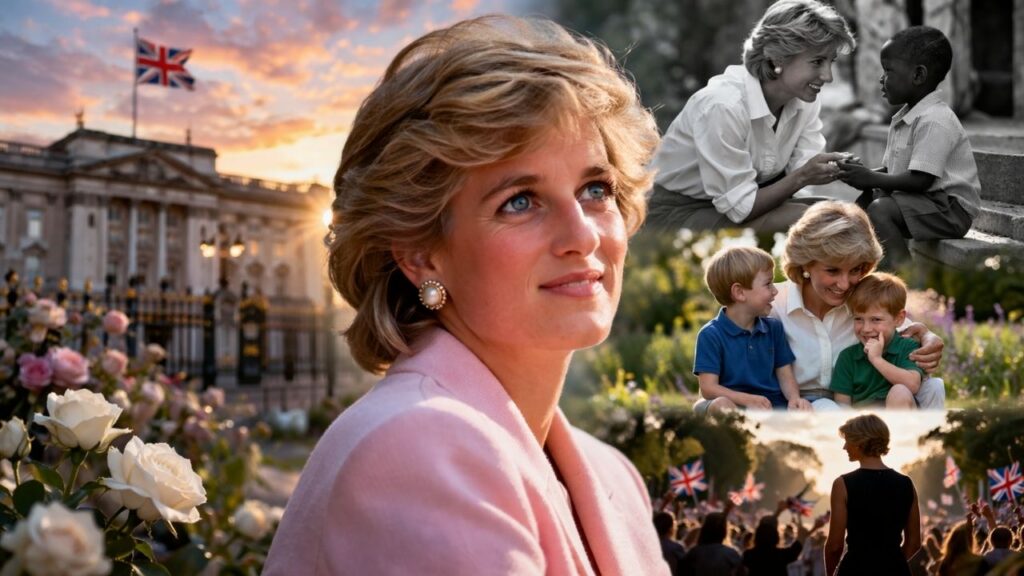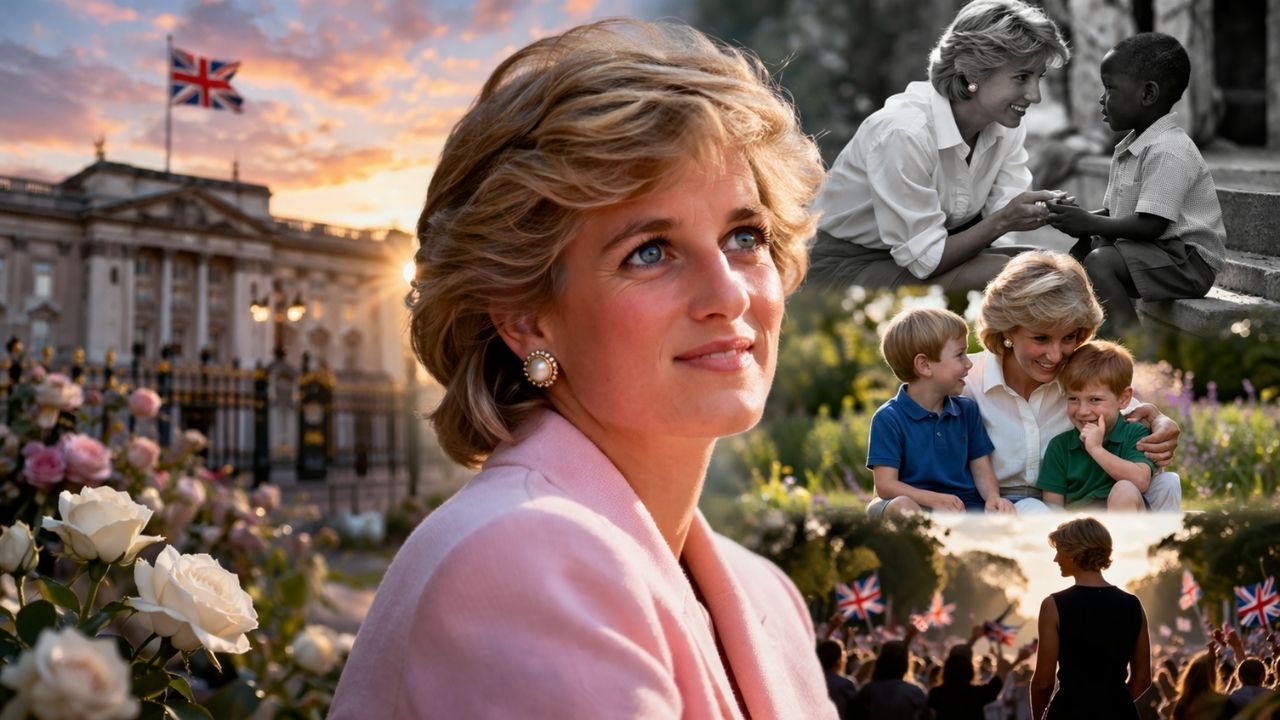
Even years after her passing, the fascination with Princess Diana hasn’t faded—it has grown stronger. From crowds outside Kensington Palace to global tributes on her birthday, the world continues to reflect on a royal figure who changed far more than tradition.
But this isn’t just about nostalgia. Diana’s story is being revisited today because her influence is still shaping the modern monarchy. In a time of transition for the royal family, her legacy feels more relevant than ever.
What’s Driving Renewed Attention Now
The renewed focus on Princess Diana comes at a moment when the royal family is evolving. With new roles, new responsibilities, and a changing public image, many are looking back at Diana as the turning point that redefined what it means to be a royal.
Latest Stories
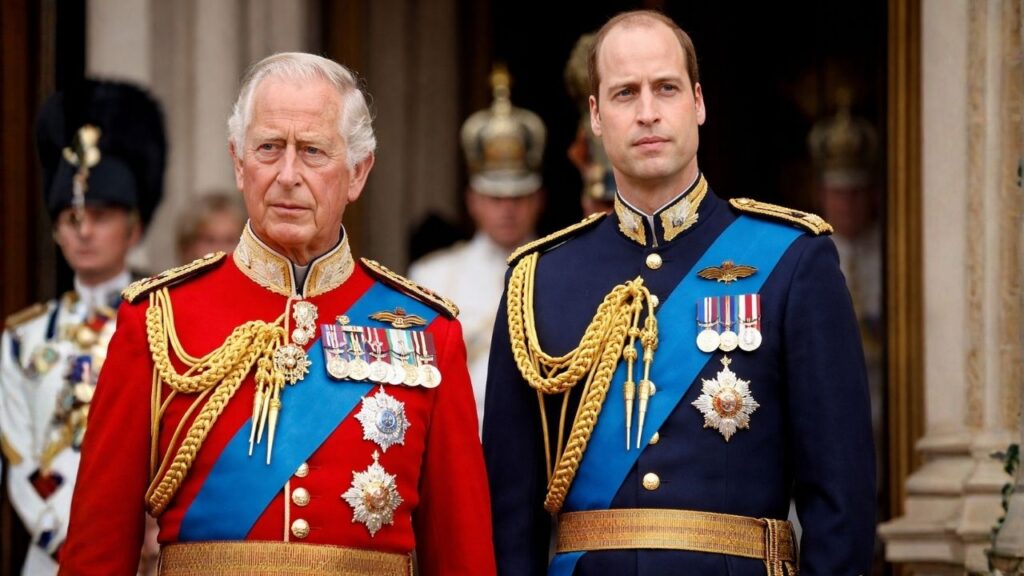
 King Charles and Prince William’s Joint Appearance Signals a Defining Moment for the Monarchy
Her approach—more open, more human, more connected—set a new standard. Today’s royal figures, including the current Princess of Wales, are often compared to her, not just in style but in how they engage with the public and the causes they support.
This isn’t coincidence. It’s the long-term impact of a legacy that quietly reshaped expectations.
A Mother First, A Royal Second
One of the most powerful parts of Diana’s story is how she approached motherhood. At a time when royal parenting was often distant and formal, she chose something different—something more relatable.

She took her sons, Prince William and Prince Harry, into everyday settings, from theme parks to fast-food restaurants. These moments may have seemed small, but they sent a clear message: even within the monarchy, family could come first.
That shift still matters today. It influenced how the next generation of royals approach parenting, making them appear more grounded and connected to ordinary life.
Breaking Royal Barriers
Diana didn’t just follow royal tradition—she challenged it. She stepped into spaces that many before her avoided, particularly when it came to sensitive or stigmatized issues.

Her work with HIV/AIDS patients, for example, helped change public attitudes at a time when fear and misunderstanding were widespread. She didn’t just support causes—she humanized them.
This willingness to take risks made her stand out. It also redefined what people expected from public figures, especially those within institutions often seen as distant.
A Global Figure Who Connected With People
What truly set Diana apart was her ability to connect. Whether she was meeting world leaders or sitting with patients in hospitals, she brought the same level of empathy and attention.

That connection wasn’t staged—it felt real. People saw it, and they responded to it. It’s why her influence extended far beyond the UK and why she became a global symbol of compassion.
Even today, that emotional connection remains one of the strongest parts of her legacy.
How Her Influence Lives On Today
Diana’s impact didn’t end with her life—it continues through the direction the monarchy has taken since. There is now a greater focus on mental health, social issues, and public engagement.

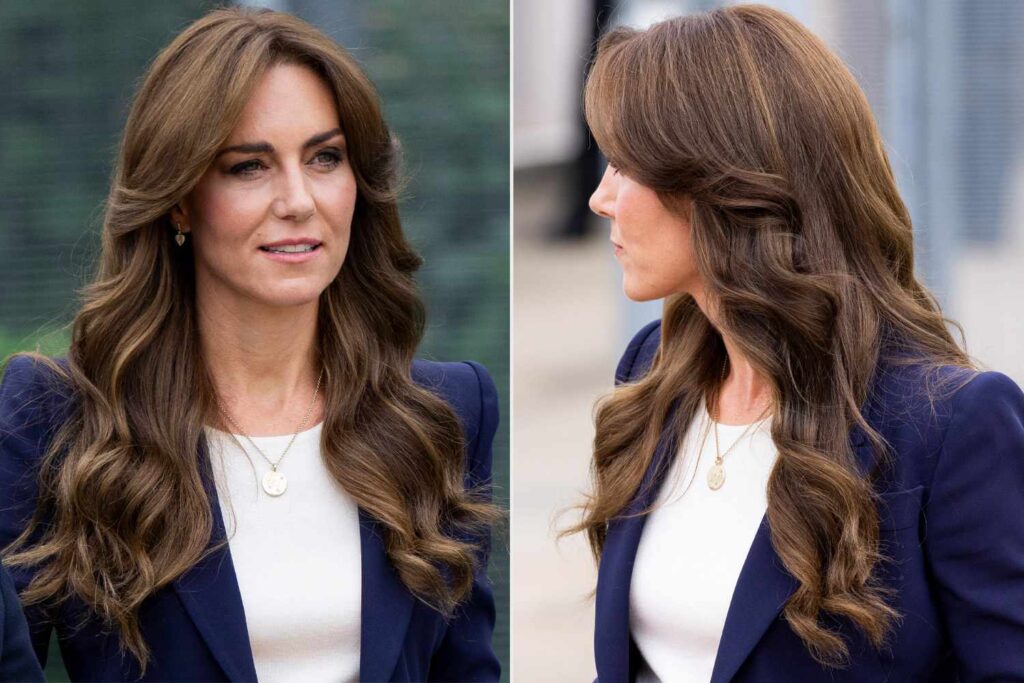
Figures like Catherine, Princess of Wales, reflect this shift. While carving out her own identity, she carries forward elements of Diana’s approach—particularly the emphasis on accessibility and meaningful causes.
In many ways, the modern monarchy is shaped by what Diana started.
Why Her Story Still Matters
Diana’s story resonates today because it goes beyond royalty. It’s about using influence to create change, about being human in highly public roles, and about challenging expectations.

At a time when people expect authenticity from public figures, her approach feels ahead of its time. She showed that vulnerability, empathy, and action could coexist with responsibility and tradition.
That’s why her legacy continues to be discussed—not just as history, but as something that still shapes the present.
What Could Come Next
As the royal family continues to evolve, Diana’s influence is likely to remain part of the conversation. Future generations will continue to be compared to her—not as a standard to match, but as a reminder of what’s possible.
Latest Stories
 Earth Was Once Turned Into a Fiery World by an Asteroid—Here’s What Scientists Are Discovering Now
There may also be renewed interest in documenting her work and reassessing her impact in a modern context. As public expectations shift, her legacy may become even more relevant.
In many ways, the story of Princess Diana is still unfolding—through the people and institutions she changed.
FAQs
1. Why is Princess Diana still so popular today?
Her compassion, authenticity, and willingness to challenge royal norms made her relatable and widely admired.
Latest Stories
 Couple Finds Newborn Puppies Buried in Snow, Race Against Time Leads to Incredible Rescue Story
2. How did Diana change the royal family?
She made the monarchy more accessible and encouraged a stronger connection with the public and social causes.
3. What made her parenting style different?
She focused on giving her children a more normal and emotionally connected upbringing compared to traditional royal norms.
4. What causes was Princess Diana known for supporting?
She worked on issues like HIV/AIDS awareness, landmine removal, homelessness, and mental health.
Latest Stories
 Fishermen in France Discover Rare Blue Sea Spider Crab, Stunning Scientists and Prompting Urgent Marine Research Efforts
5. How does her legacy influence today’s royals?
Modern royals often adopt a more open, empathetic approach to public life, inspired in part by Diana’s example.
6. Why is she called “The People’s Princess”?
Because of her strong connection with the public and her focus on humanitarian work.
7. Will her influence continue in the future?
Yes, her impact on the monarchy and public expectations is likely to shape future generations for years to come.
Latest Stories
 Evidence Found in China Reshapes Mars Research, Pushing Space Agencies to Reevaluate Search for Life Beyond Earth