In some of the hottest cities on Earth, shade has become more than comfort—it’s survival. Across Saudi Arabia and the United Arab Emirates, millions of trees are being imported every year. The goal is simple but urgent: cool down cities that are heating up faster than ever.
It’s a bold solution—but one that’s raising big questions about sustainability, cost, and the future of urban living in extreme climates.
What’s Driving This Massive Tree-Planting Effort

As cities like Riyadh and Dubai expand, they’re facing a growing problem known as the “urban heat island” effect. Concrete, asphalt, and glass trap heat, pushing temperatures significantly higher than surrounding desert areas.
Latest Stories
 Scientists Are Tracking a Secretive Bird—and What They Find Could Change Conservation
That extra heat doesn’t just make life uncomfortable—it increases energy use, strains infrastructure, and affects public health. So governments are turning to nature for help.
Planting trees is one of the fastest ways to reduce surface temperatures, create shade, and improve air quality. But in the desert, growing them locally isn’t always easy—so many are brought in from abroad.
How Imported Trees Are Changing City Life
Walk through parts of these cities today, and the difference is noticeable. Tree-lined streets, shaded walkways, and green parks are becoming more common.

These trees act like natural cooling systems. Their canopies block sunlight, while a process called transpiration releases moisture into the air, lowering surrounding temperatures.
For residents, that means more walkable spaces, cooler neighborhoods, and a better overall quality of life—especially during peak summer months.
The Complex Journey of a Tree
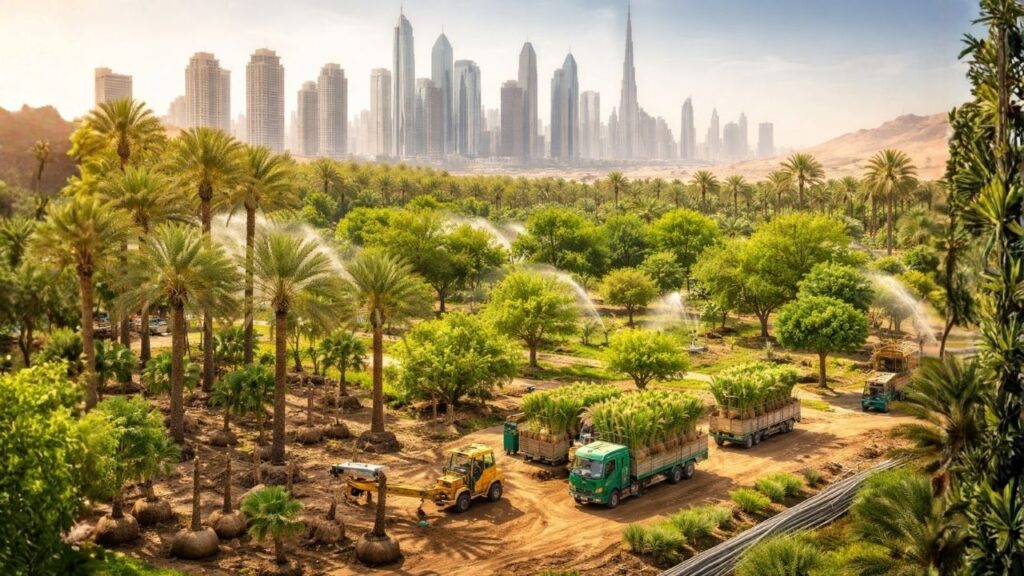
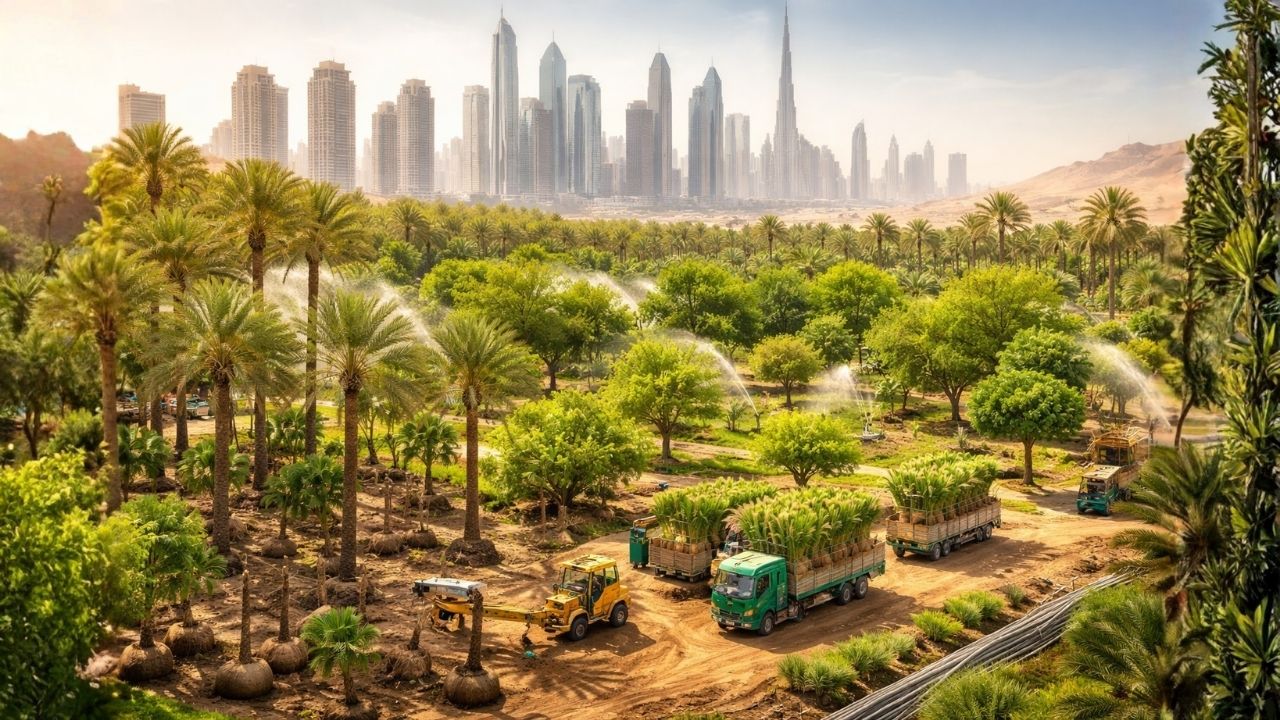
Before a tree provides shade in the Gulf, it often travels thousands of kilometers. Many are grown in international nurseries, carefully selected for their ability to survive extreme heat and dry conditions.

Once ready, they’re transported by ship, truck, or even air. After arrival, they go through a careful adaptation process involving special soil, irrigation systems, and constant monitoring. It’s a high-effort operation—but one that cities see as necessary to build greener urban environments quickly.
The Water Challenge No One Can Ignore
Keeping millions of trees alive in the desert requires a huge amount of water. To solve this, Gulf countries rely heavily on desalination—turning seawater into usable freshwater.
While effective, desalination is energy-intensive. Even with growing use of renewable energy, it raises concerns about long-term sustainability and environmental impact.

This creates a difficult balance: cooling cities today while ensuring resources aren’t overstretched tomorrow.
The Debate: Smart Solution or Risky Shortcut?
Not everyone agrees this approach is the best path forward. Supporters argue that planting trees is essential for making cities livable in extreme heat. Without them, temperatures could become unbearable as climate change intensifies.
Critics, however, question the environmental cost. Transporting trees across continents and relying on desalinated water may create new problems, including higher emissions and pressure on ecosystems. There are also concerns about introducing non-native species into fragile desert environments.

What Could Happen Next
The future of this strategy will likely evolve. Experts are already calling for more use of native plants, smarter irrigation systems, and better long-term planning.
At the same time, these projects are influencing other regions facing extreme heat. Cities around the world are watching closely, exploring whether similar approaches could work in their own climates.
What’s clear is this: as temperatures rise globally, cities will need creative solutions—and nature is becoming a central part of that conversation.

Frequently Asked Questions
1. Why are Gulf countries importing trees instead of growing them locally?
Many native plants grow slowly or provide limited shade. Imported species are often chosen for faster growth and better cooling benefits.
2. How many trees are being imported each year?
Saudi Arabia imports around 2.5 million trees annually, while the UAE imports about 1.5 million.
3. Do trees really make a big difference in heat?
Yes. Trees can significantly reduce local temperatures by providing shade and cooling the air through moisture release.

4. How are these trees watered in the desert?
Mostly through desalinated water, which is seawater processed to remove salt.
5. Is this approach environmentally sustainable?
It’s debated. While trees provide clear benefits, the energy use and transportation involved raise concerns.
6. Could native plants replace imported trees?
In some cases, yes. Experts are encouraging more use of native species for long-term sustainability.

7. Are other countries adopting similar strategies?
Yes. Cities facing rising heat are exploring tree-planting and green infrastructure as part of climate adaptation plans.