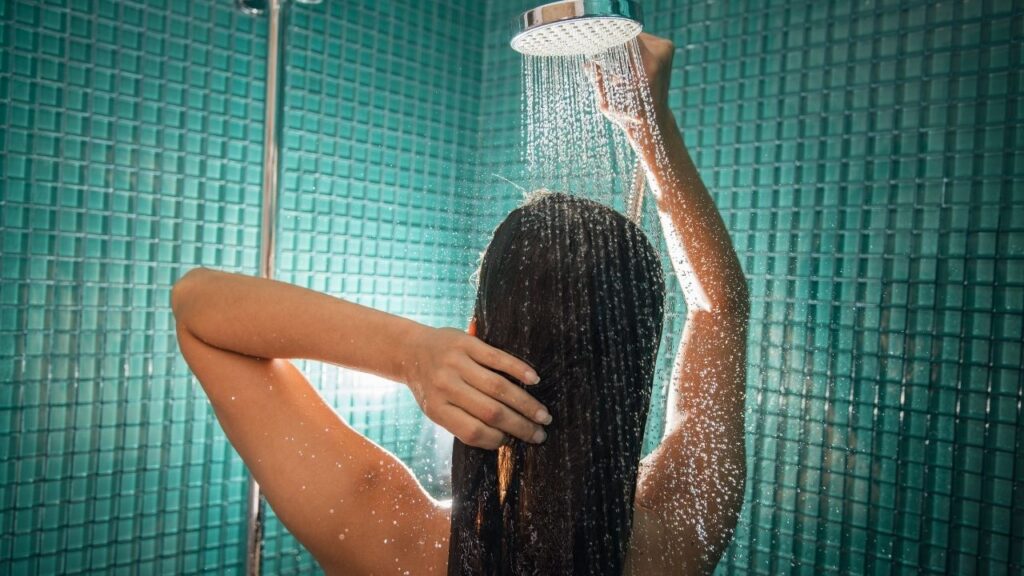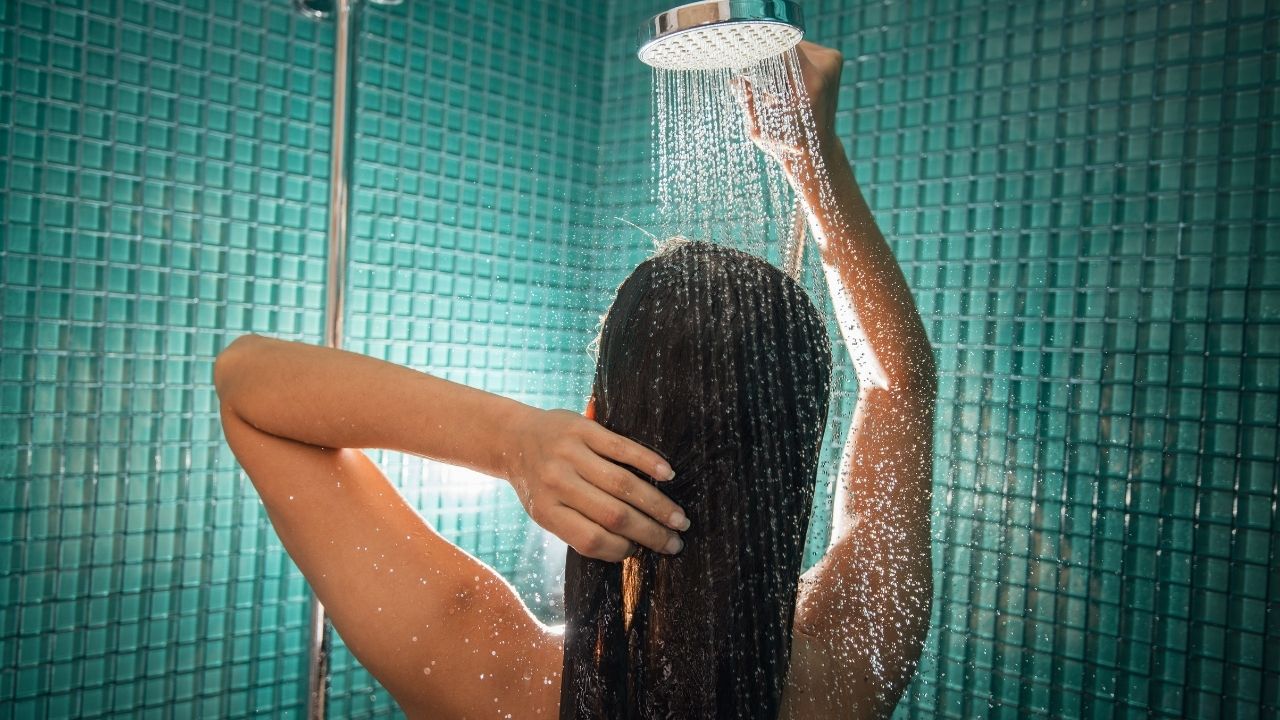
It starts subtly. Your hair feels a little rough, harder to manage, less shiny than usual. Then suddenly, it’s dry, brittle, and full of frizz. If this sounds familiar, you’re not alone—and the real cause might be hiding in your daily routine.
That comforting hot shower you rely on during cold mornings could be doing more harm than you think. Experts say this one habit is one of the biggest reasons hair struggles to stay healthy in winter—and fixing it is simpler than you expect.
What’s Actually Causing Winter Hair Damage
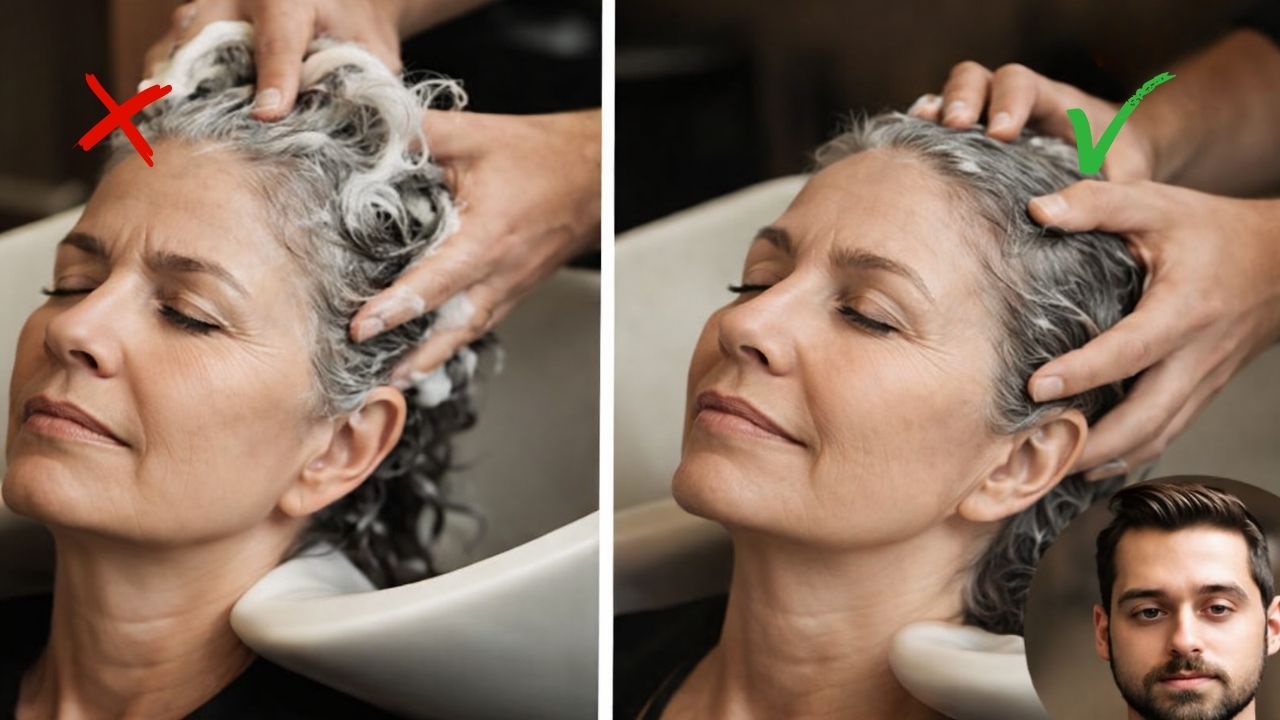
Winter air is naturally dry, which means your hair is already losing moisture faster than usual. Add hot water into the mix, and the problem gets worse.
Latest Stories
 Scientists Capture 8 Incredible Images of Interstellar Comet Passing Through Our Solar System
Hair depends on natural oils to stay smooth, strong, and flexible. Hot water strips those oils away, leaving strands exposed and vulnerable. Over time, this leads to dryness, breakage, and that “crunchy” feeling many people notice during colder months.
It’s not just about appearance—this damage weakens the hair structure itself, making it harder to repair.
The Biggest Mistake: Turning Up the Heat
Hot showers feel amazing, especially in winter. But according to hair experts, they’re one of the worst things you can do for your hair.

High temperatures open up the hair cuticle too much, allowing moisture to escape while washing away protective oils. The result is hair that feels rough, looks dull, and tangles easily.
Even worse, many people gradually increase the temperature without realizing it. That extra heat may feel comforting—but your hair pays the price.
Why Cooler Water Makes a Difference
Switching to lukewarm or cool water can have an immediate impact on your hair health. It helps retain natural oils and keeps the hair cuticle smoother and more sealed.
Latest Stories
 Meteorologists warn overnight snowfall could reach historic levels, as officials discourage travel
This simple change can:
- Reduce frizz and flyaways
- Improve shine and smoothness
- Help hair stay hydrated longer
- Protect against further damage
While it may take time to get used to, many people find cooler showers actually feel refreshing once they adjust.
Small Changes That Can Transform Your Hair
Fixing winter hair damage doesn’t require a complete routine overhaul. A few simple adjustments can make a noticeable difference.

Start by shortening your showers to around 5–10 minutes to prevent excess moisture loss. Choose gentle, hydrating shampoos and conditioners that support your hair’s natural balance. After washing, avoid rough drying—opt for a soft towel or let your hair air-dry when possible. These small habits help preserve moisture and prevent unnecessary stress on your strands.
What Experts Recommend for Healthier Winter Hair
Hair specialists consistently emphasize one key factor: moisture. Without it, hair becomes fragile and prone to damage.
Using deep conditioning treatments once a week can restore hydration and strengthen your strands. Switching to sulfate-free products also helps reduce further dryness. And minimizing heat styling—like blow dryers or straighteners—can prevent additional stress during already harsh conditions. Consistency matters more than complexity. Simple, regular care delivers the best results over time.

What Happens If You Ignore It
If winter hair damage isn’t addressed, it tends to build up. Dryness leads to breakage, which leads to thinning and uneven texture. By the time spring arrives, many people find their hair needs significant repair. That’s why making small adjustments early in the season can save you from bigger problems later.
Winter doesn’t have to mean dry, unmanageable hair. In many cases, the biggest issue isn’t the weather—it’s daily habits that quietly make things worse.
By lowering your shower temperature, choosing the right products, and being a bit more mindful, you can protect your hair and keep it looking healthy all season long. Sometimes, the simplest fix—like turning down the heat—is the one that makes the biggest difference.