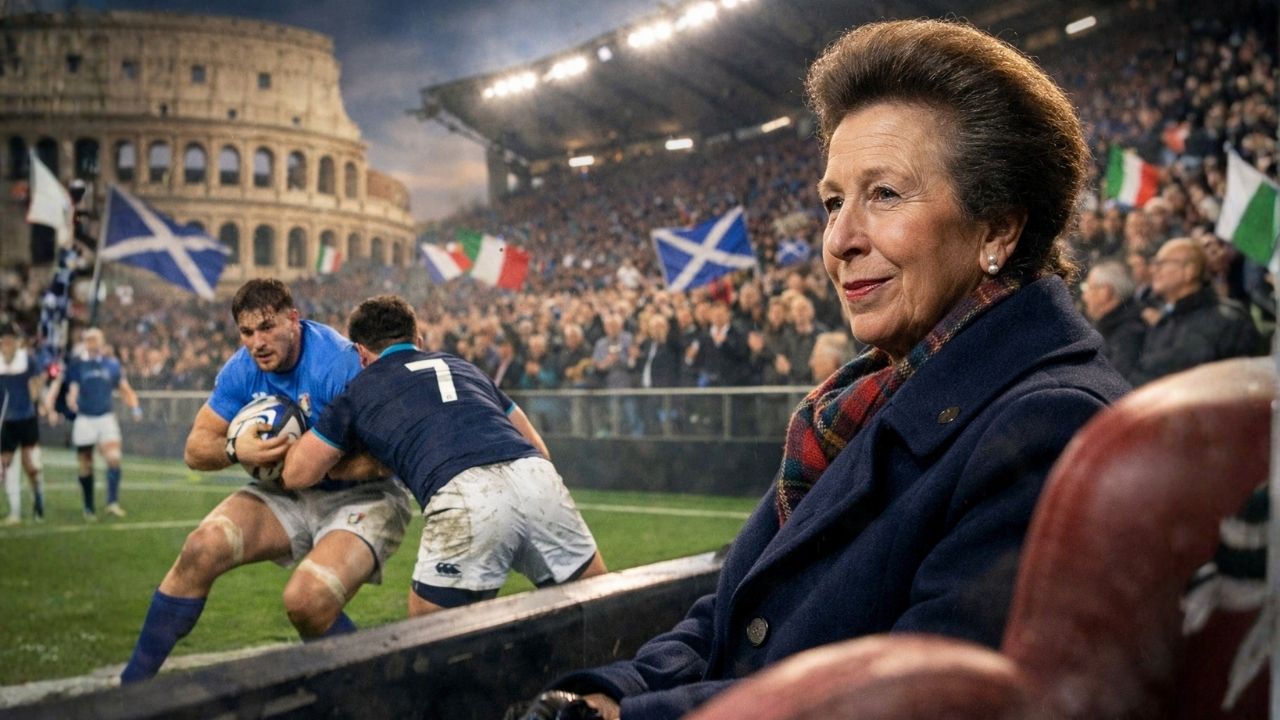
It was already a high-stakes day for Scotland in Rome, but one moment in the stands gave the match an extra layer of attention. Princess Anne, the Princess Royal, was there at Stadio Olimpico to watch Italy face Scotland, continuing a long connection with Scottish rugby that goes back decades. Her appearance quickly became part of the story around the game, not just because she is a senior royal, but because her support for the sport is widely seen as genuine and consistent.
That matters in a sport built on tradition. When a royal figure with a long-standing role in the game shows up for a major international fixture, it does more than create headlines. It reinforces rugby’s sense of history, identity, and continuity at a time when every big match is also part of a much bigger story.
What the Update Is

The key update is simple: Princess Anne attended the Italy vs Scotland Guinness Six Nations match at Rome’s Stadio Olimpico on February 7, 2026, in her role as Patron of Scottish Rugby. The appearance drew wide attention because it came during Scotland’s opening Six Nations fixture and because fans in Rome gave her a warm reception when she appeared on the big screen.
Latest Stories
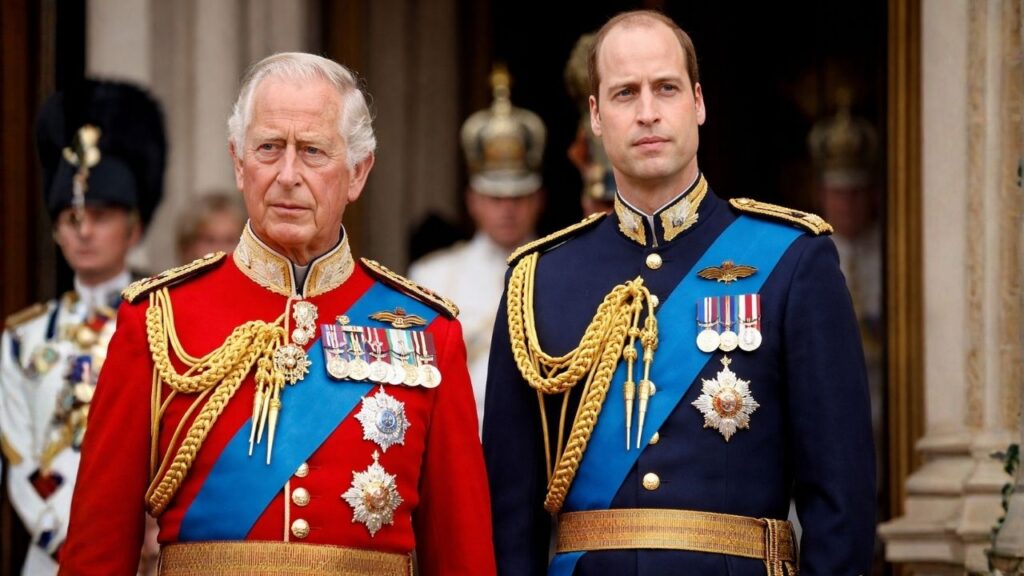
 King Charles and Prince William’s Joint Appearance Signals a Defining Moment for the Monarchy
Her attendance was not a one-off courtesy visit. Scottish Rugby and multiple reports note that she has been linked to the union since the 1980s and has served as patron since 1986. That long relationship is what gives these appearances weight. She is not simply turning up for optics; she is associated with the sport in a way fans have watched for years.
Why Her Presence Still Matters
Royal attendance at sport can sometimes feel ceremonial, but Anne’s relationship with rugby is different. Her role with Scottish Rugby has lasted for roughly four decades, and that kind of consistency is rare in public life. It gives her appearances credibility with supporters, especially in Scotland, where rugby still carries strong cultural and national meaning.
It also helps explain why people keep reacting to these moments. Fans in Rome reportedly gave her a standing ovation during the Italy match, a sign that her support is recognized well beyond official titles. In a crowded sports calendar, moments like that cut through because they feel personal rather than staged.

The Match Result Added Another Layer
The game itself ended in frustration for Scotland. Italy beat Scotland 18-15 in Rome, handing the visitors a damaging defeat to begin their 2026 Six Nations campaign. That result meant the wider conversation around the day quickly became about missed chances on the field as well as the big pre-match attention around the occasion.
That is part of what made the day memorable. On one hand, there was the symbolism of Anne’s continued support. On the other, Scotland left with a result that raised fresh questions about momentum, execution, and how the team would respond in the rest of the championship. A royal appearance can add atmosphere, but it cannot soften a tough scoreboard.
A Relationship Built Over Decades, Not One Afternoon
Princess Anne’s involvement with Scottish rugby did not begin with this match. Scottish Rugby says she opened Murrayfield’s East Stand in 1983 and became patron in 1986, underlining that this is one of the more established sporting links in royal life. That history helps explain why even short appearances still make news.

Over time, that kind of patronage can shape how institutions are seen. It keeps attention on the sport, supports its public image, and adds a sense of continuity that many rugby supporters value. In a game that prides itself on heritage, long-term backing still carries real symbolic power.
Why This Story Connects Beyond Rugby Fans
Even people who do not closely follow the Six Nations can understand why this story resonated. It sits at the intersection of royal life, national identity, and one of Europe’s most tradition-heavy sporting events. That combination naturally draws attention, especially when the royal involved has a reputation for showing up consistently rather than seeking publicity.
It also highlights something easy to overlook: sport is one of the few places where public figures, institutions, and ordinary fans can share the same emotional moment in real time. Whether Scotland wins or loses, that shared setting is part of what keeps international rugby so compelling year after year.

What Could Happen Next
The most immediate next step is on the rugby side. Scotland’s defeat to Italy increased the pressure on the rest of its Six Nations campaign, making every following match more significant. For supporters, that means Anne’s ongoing appearances may continue to attract attention if Scotland’s results keep the team in the spotlight for good or bad reasons.
More broadly, her continued visibility around Scottish Rugby is likely to keep reinforcing the bond between the royal family and the sport. That may not change results on the pitch, but it does help preserve one of rugby’s strongest traditions: the sense that each match belongs to a larger story about identity, loyalty, and legacy.
FAQs
1. Why was Princess Anne at the Italy vs Scotland match?
She attended in her role as Patron of Scottish Rugby, a position she has held since 1986.

2. When did the Italy vs Scotland match take place?
The match was played on February 7, 2026, at Stadio Olimpico in Rome.
3. Did fans react to Princess Anne’s appearance?
Yes. Reports said she received a warm reception, including a standing ovation when shown on the stadium screen.
4. How long has Princess Anne been linked to Scottish Rugby?
Scottish Rugby says her involvement dates back to the 1980s, and she became patron in 1986.
5. What was the result of Italy vs Scotland?
Italy beat Scotland 18-15 in the 2026 Six Nations match in Rome.

6. Why does her attendance matter so much?
Because her support is long-term and widely viewed as authentic, not just ceremonial, which gives the appearance more meaning for fans and the sport itself.
7. Is Princess Anne still active around Scottish Rugby after this match?
Yes. Coverage from March 2026 shows she continued attending Scotland’s Six Nations fixtures, reflecting her ongoing role and visibility in the sport.
Latest Stories
 Earth Was Once Turned Into a Fiery World by an Asteroid—Here’s What Scientists Are Discovering Now