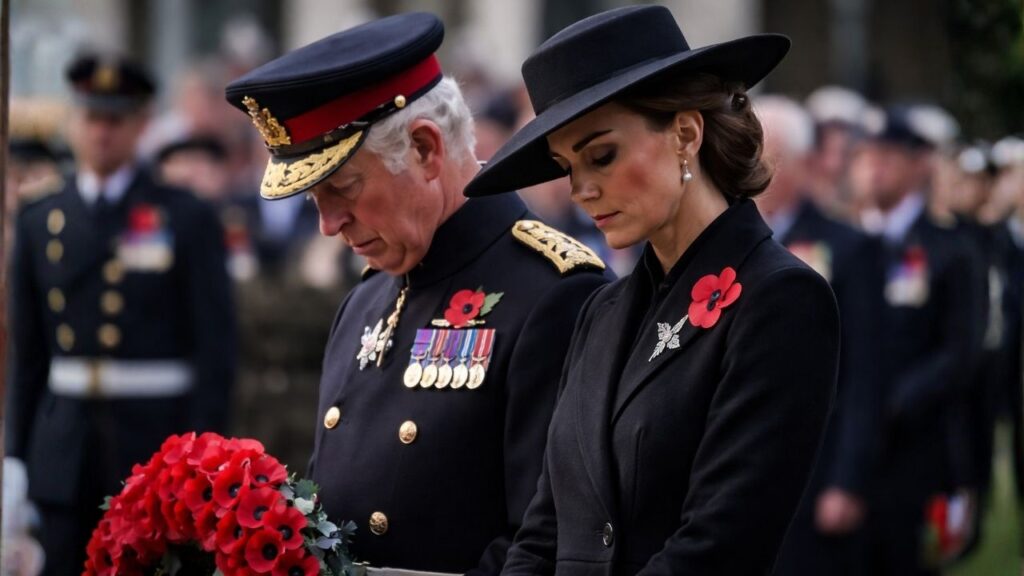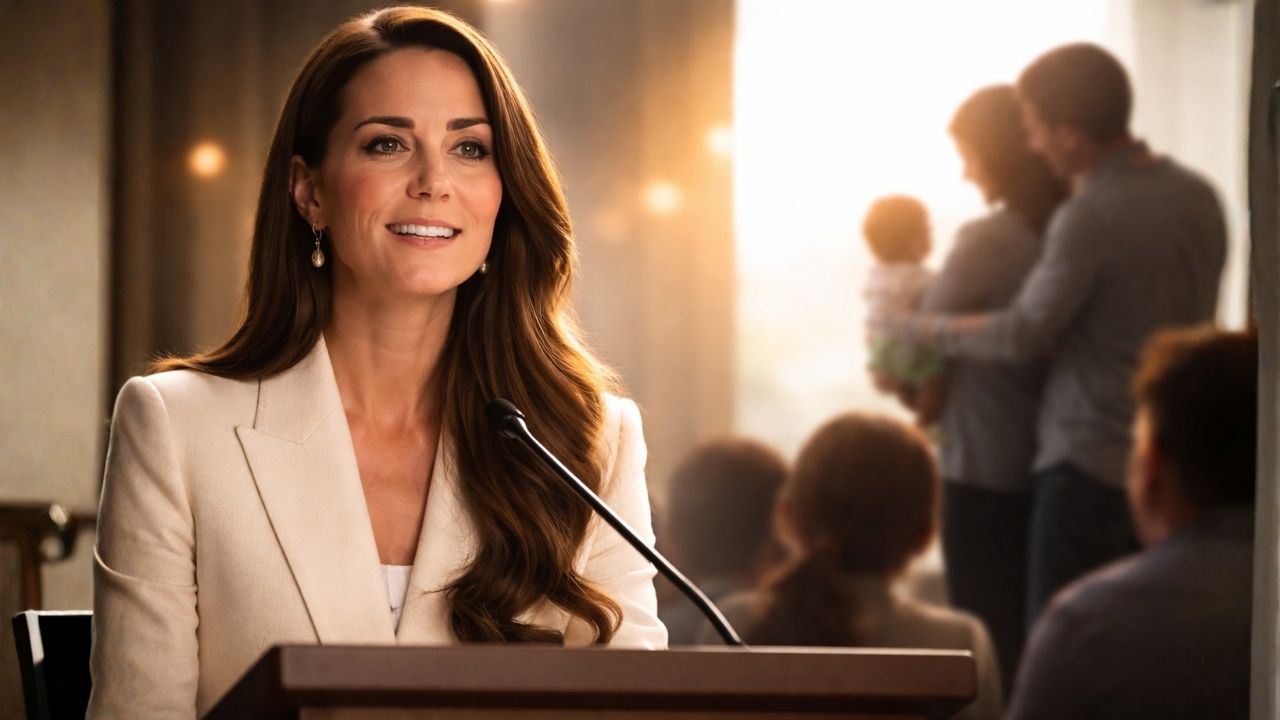
It wasn’t just another royal appearance. When Kate Middleton stepped up to speak, something felt different—more personal, more real.
Within moments, it became clear why. She wasn’t speaking as a royal figure, but as a parent. And what she said is now resonating far beyond the room.
What Kate Middleton Actually Said
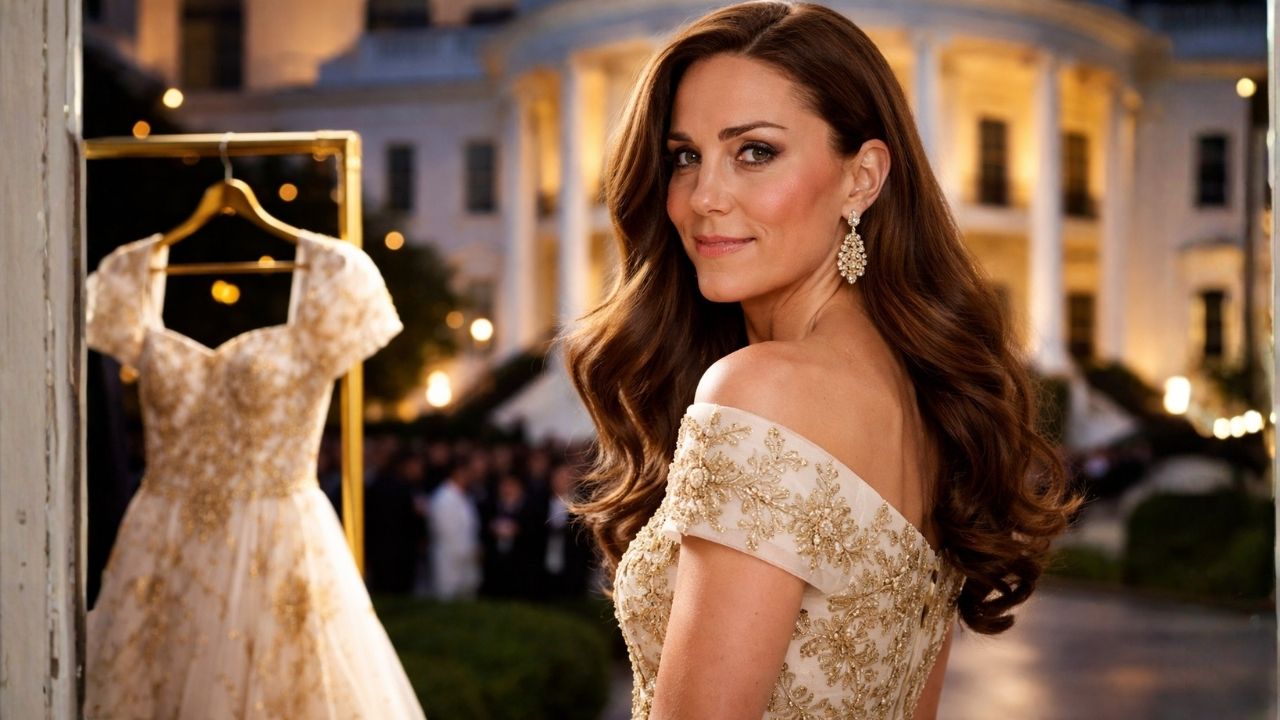
During a major speech focused on early childhood development, Kate Middleton shared her own experiences as a mother—openly acknowledging that parenting is challenging.
Latest Stories
 Scientists Are Tracking a Secretive Bird—and What They Find Could Change Conservation
She spoke about the importance of the early years in shaping a child’s future, emphasizing how emotional support, environment, and relationships play a critical role. But what stood out most was her honesty.
Instead of presenting a polished image, she admitted something many parents feel but rarely hear from public figures: raising children is not easy.
Why Her Words Are Connecting With So Many
The reason this moment is gaining attention is simple—people saw themselves in it.
Latest Stories
 Why Gulf Cities Are Importing Millions of Trees Every Year
Parenting can feel isolating, especially with the pressure to “get everything right.” By speaking openly, Kate helped normalize those struggles. Her message cut through the usual expectations and felt relatable.
It reminded people that challenges in parenting are universal, regardless of background, status, or lifestyle.
The Bigger Message About Early Childhood
Beyond personal experiences, Kate highlighted something crucial: early childhood shapes everything that follows.

The first years of a child’s life influence emotional health, learning ability, and long-term well-being. These early experiences create what experts often describe as the “foundation” for adulthood.
Her message encouraged a shift in thinking—from seeing parenting as a private responsibility to recognizing it as something that impacts society as a whole.
Why This Conversation Matters Right Now
There is growing awareness around mental health, family support, and child development. But many systems still don’t fully support parents and caregivers.

Kate’s speech brings attention to that gap. It raises questions about how communities, workplaces, and governments can better support families during those critical early years.
At a time when many parents feel overwhelmed, this conversation feels especially relevant.
A Different Kind of Royal Influence
Kate Middleton’s approach reflects a more modern style of leadership—one based on connection rather than distance.

Instead of simply raising awareness, she is helping reshape how people talk about parenting and early childhood. Her influence comes not from authority, but from relatability.
This kind of messaging often has a lasting impact because it feels genuine and grounded in real experience.
What Could Happen Next
This speech could lead to more focus on early childhood policies, parental support systems, and community programs.

It may also encourage more open conversations about parenting challenges, reducing stigma and helping families feel less alone. As awareness grows, the hope is that it leads to practical changes—not just discussion.
Why This Moment Stands Out
There are many speeches, but few truly connect. This one did.
Because it wasn’t about perfection. It was about honesty. And that honesty made people stop, listen, and reflect.

Kate Middleton didn’t just speak—she started a conversation that many people have been waiting for.
Frequently Asked Questions
1. What was Kate Middleton’s speech about?
It focused on early childhood development and the importance of the first years of a child’s life.
2. Why is this speech getting attention?
Because she spoke openly about the challenges of parenting, making it relatable.

3. What is meant by early childhood development?
It refers to how children grow emotionally, socially, and mentally in their early years.
4. Why are early years so important?
They shape long-term behavior, learning, and overall well-being.
5. What message did Kate emphasize most?
That parenting is challenging and that support systems are essential.

6. How could this speech impact society?
It may encourage better policies and more support for families and caregivers.
7. What makes this different from other royal speeches?
Its personal tone and relatability made it feel more genuine and impactful.