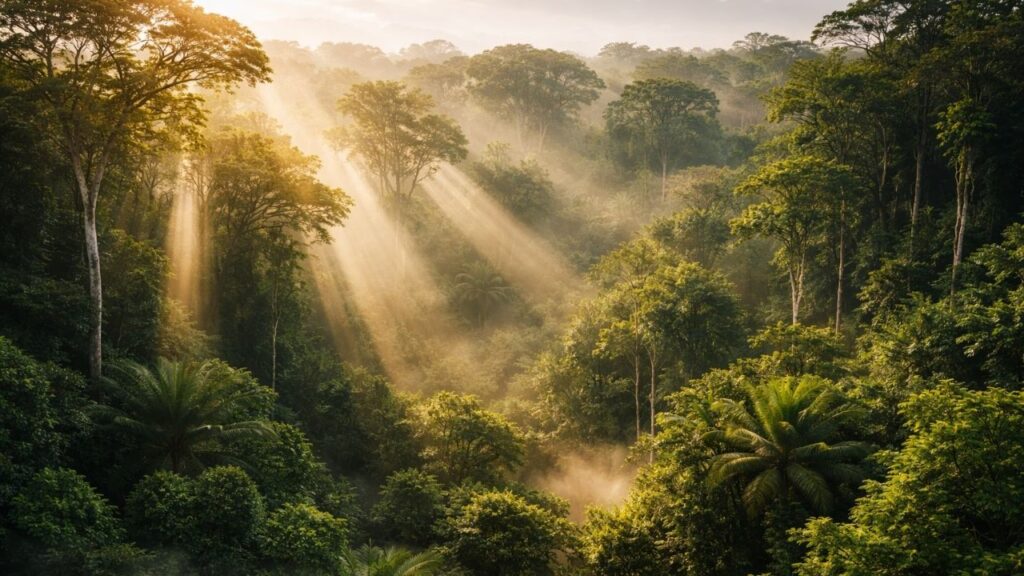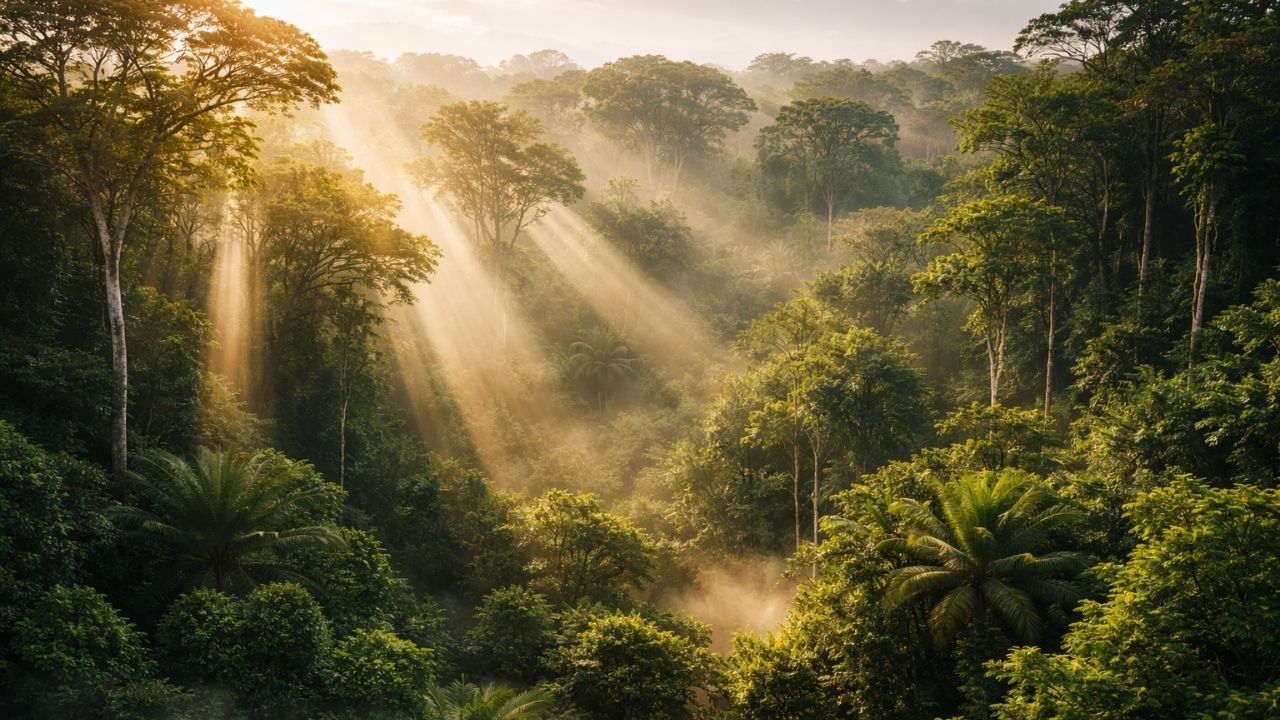
At first glance, nothing looks wrong. The forest is still green, still alive with sound—birds calling, leaves shifting, insects humming. But something invisible is changing. Scientists now say many of Africa’s forests are no longer absorbing carbon the way they once did.
This isn’t just a local issue. These forests have long acted as one of Earth’s natural defenses against climate change. If that system starts to weaken, the consequences could ripple far beyond the continent.
What’s Changed—and Why It Matters

For decades, African forests—especially the vast Congo Basin—have quietly pulled carbon dioxide out of the atmosphere. This process helped slow global warming, making these ecosystems critical to the planet’s balance.

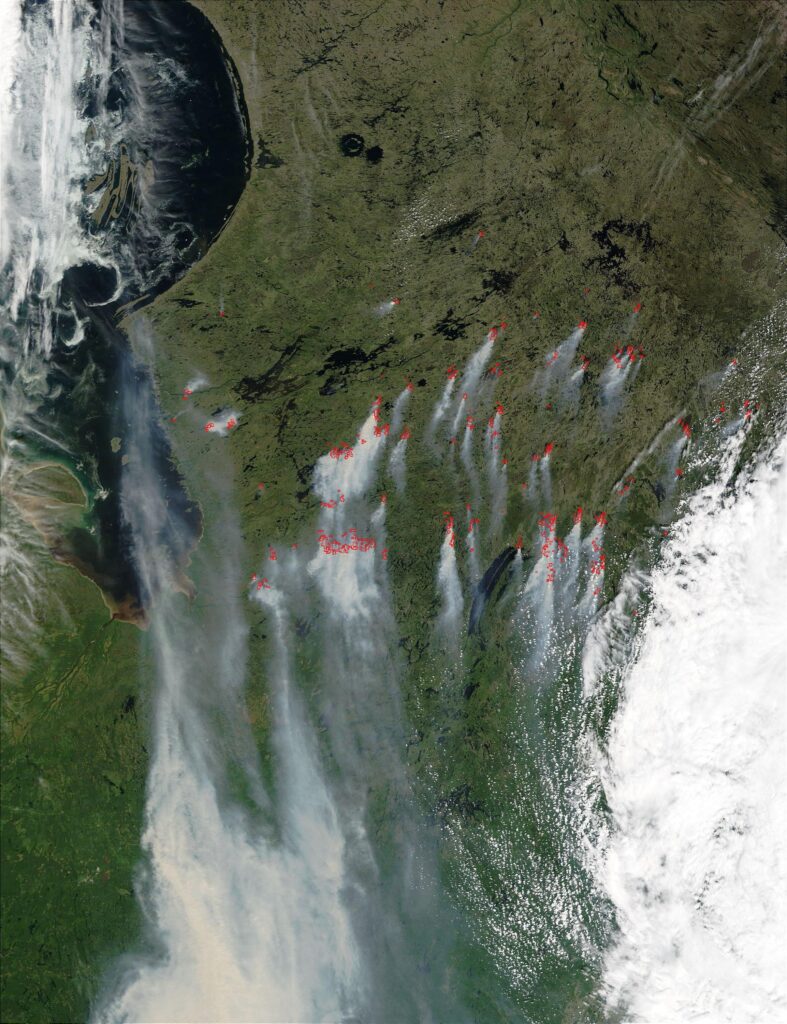
NASA Images of Wildfires
Now, new research shows that this natural system is under strain. Trees are growing more slowly, and some are dying earlier than expected. In certain areas, forests are absorbing less carbon—or even releasing it. That shift matters because it reduces one of the planet’s most important climate buffers.
The Growing Pressure on Forest Ecosystems
Several forces are pushing these forests toward a tipping point. Climate change is altering rainfall patterns and increasing temperatures, making it harder for trees to survive. Longer dry seasons and more frequent droughts are weakening entire ecosystems.

At the same time, human activity is accelerating the stress. Logging, farming, and charcoal production are fragmenting forests. Even small-scale clearing adds up over time, breaking large, resilient ecosystems into smaller, vulnerable patches that struggle to recover.
When a Carbon Sink Starts to Fail
A “carbon sink” is supposed to absorb more carbon than it releases. But when that balance shifts, the system can flip. Instead of helping the planet, the forest begins to add carbon to the atmosphere.
This creates a dangerous cycle. More emissions lead to higher temperatures, which further weaken forests, causing even more carbon release. Scientists warn that if this trend continues, large parts of tropical forests could become long-term carbon sources within decades.

Why This Affects the Entire World
Even though this change is happening in Africa, the impact is global. Carbon dioxide doesn’t stay in one place—it spreads through the atmosphere, influencing weather, temperatures, and extreme events worldwide.
That means weakened forests in Africa could contribute to stronger heatwaves, more unpredictable rainfall, and rising sea levels across the planet. What happens in the Congo Basin doesn’t stay there—it shapes the future of the global climate.
Can Africa’s Forests Recover?
There is still hope, but it requires action on multiple levels. Protecting existing forests is the first step. That includes reducing deforestation and supporting sustainable land use.

Equally important is empowering local communities. Many people living near these forests depend on them for survival. Giving them resources, land rights, and alternative livelihoods can help protect ecosystems while supporting human needs.
Restoration efforts—like replanting native species and reconnecting fragmented forests—can also help rebuild resilience. But recovery will take time, and it depends heavily on reducing global emissions.
A Turning Point for Climate Action
This shift in Africa’s forests is more than just another environmental update. It’s a warning sign. For years, the world has relied on natural systems to absorb excess carbon. But those systems are not limitless.

If forests begin to fail, the burden of slowing climate change falls even more heavily on human action. Cutting emissions, protecting ecosystems, and rethinking how we use land are no longer optional—they’re urgent.
FAQs
1. What is a carbon sink?
A carbon sink is a natural system, like a forest, that absorbs more carbon dioxide than it releases, helping reduce greenhouse gases in the atmosphere.
2. Are Africa’s forests no longer absorbing carbon at all?
They still absorb carbon, but less than before. Some areas may even release more carbon than they take in during certain periods.
3. What is causing this change?
A combination of climate change (heat, drought, shifting rainfall) and human activities like logging, farming, and land clearing.
4. Why is the Congo Basin so important?
It’s the second-largest rainforest in the world and stores massive amounts of carbon, making it critical for global climate stability.
5. Can forests recover their carbon-absorbing ability?
Yes, with proper protection, restoration, and reduced global emissions, forests can regain some of their strength over time.

6. How does this affect people outside Africa?
Changes in carbon absorption impact global climate systems, influencing weather, temperatures, and extreme events worldwide.
7. What can be done right now?
Protect forests, support sustainable practices, reduce emissions, and invest in restoration and community-led conservation efforts.