For a few hours, the sky will darken in the middle of the day—and that’s exactly what’s putting schools in a tough position. As one of the longest solar eclipses in years approaches, educators and parents are asking the same question: should students experience this rare event in school, or stay home for safety?
It’s not just a science moment. It’s a real-world decision with risks, rewards, and no easy answer.
What’s Happening—and Why It’s Such a Big Deal

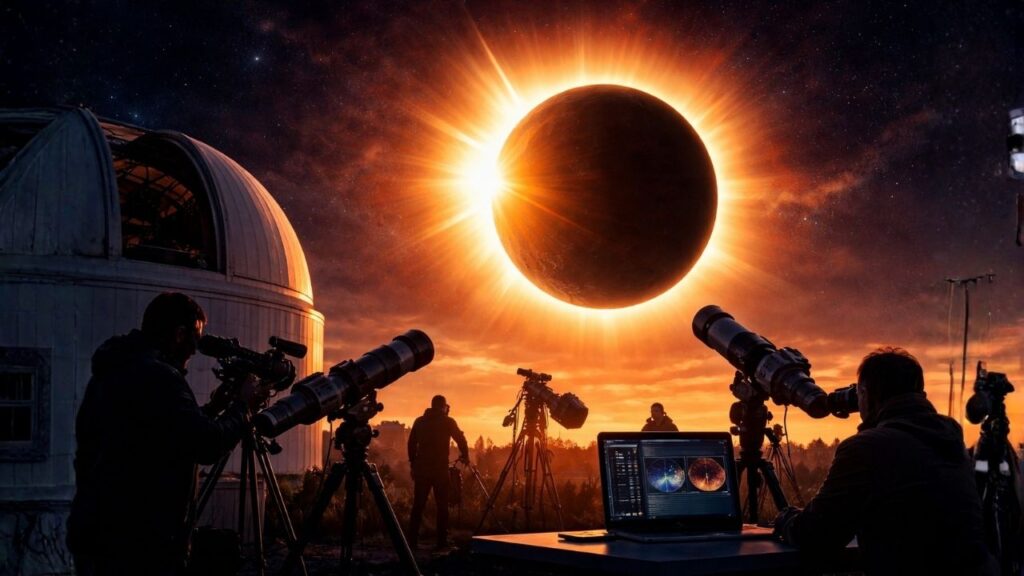
A solar eclipse happens when the moon moves between the Earth and the sun, temporarily blocking sunlight. But this one stands out because of how long it will last.
Latest Stories
 Scientists Are Tracking a Secretive Bird—and What They Find Could Change Conservation
In some areas, the event will stretch for hours from start to finish, with a period of deep darkness in the middle. That extended duration makes it more than just a quick glance at the sky—it becomes a full experience.
And that’s exactly why schools are paying close attention. The longer it lasts, the more planning—and caution—it requires.
Why Schools Are Divided on Closing
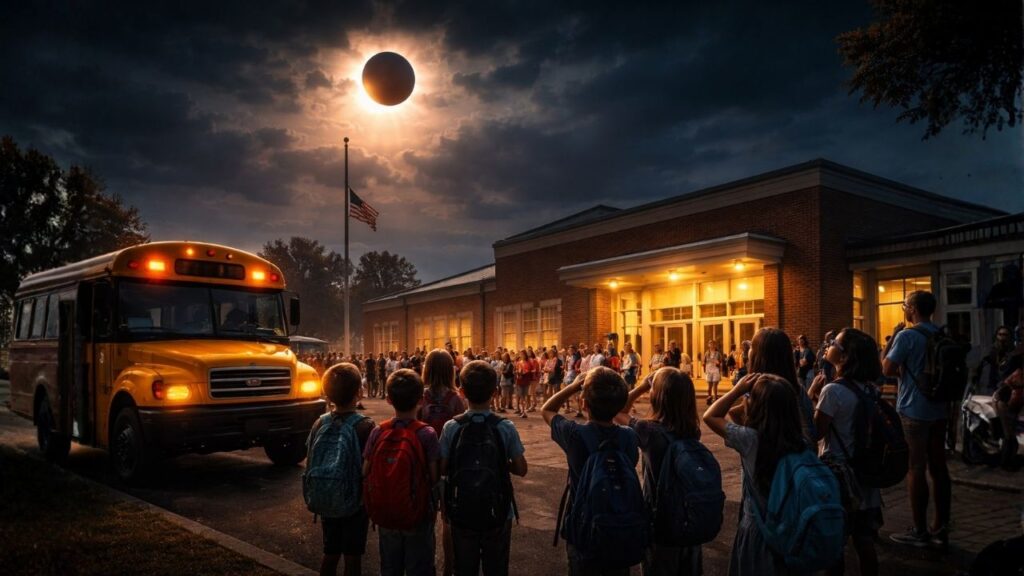
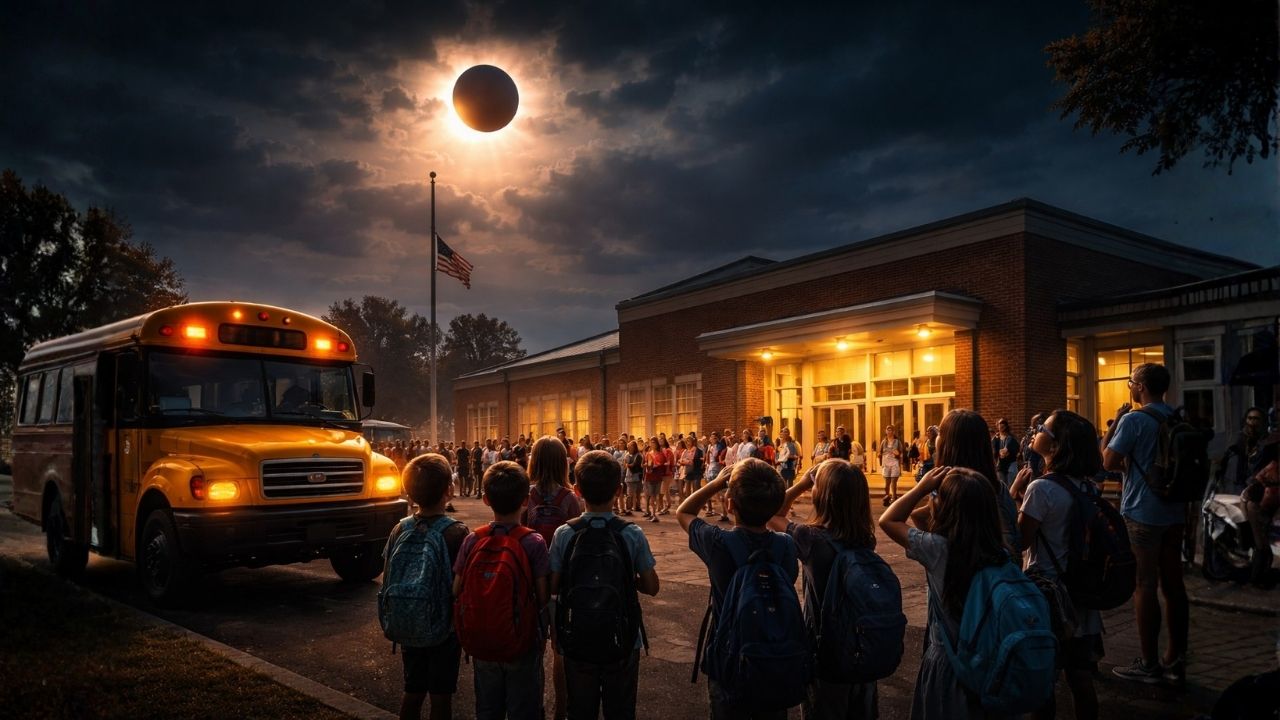
Some schools see this as a once-in-a-generation learning opportunity. Instead of reading about eclipses, students can actually see one happen, guided by teachers and proper safety measures.
Latest Stories
 Why Gulf Cities Are Importing Millions of Trees Every Year
But others are more cautious. The biggest concern is eye safety. Looking directly at the sun—even during an eclipse—can cause serious damage if proper protection isn’t used.
There’s also worry about managing large groups of students during a rare and potentially confusing event. For some districts, closing schools feels like the safer option.
Students Are at the Center of the Debate
At the heart of this discussion is a simple question: what’s best for students?
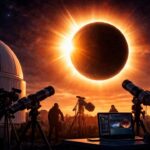
Supporters of keeping schools open argue that this kind of real-life experience can spark curiosity in science and leave a lasting impression. Moments like this can turn abstract lessons into something unforgettable.
On the other hand, parents and officials who favor closures believe safety should come first. Even a small risk, they argue, isn’t worth it when dealing with children and something as sensitive as eye health.
How Different Schools Are Handling It
There’s no single approach. Some school districts have already announced closures, treating the eclipse as an unusual day best spent at home.

Others are staying open but putting strict plans in place—like distributing certified eclipse glasses, supervising outdoor viewing, and adjusting schedules.
This mixed response shows just how complex the situation is. Each community is weighing its own priorities, resources, and level of comfort with the risks.
Turning the Eclipse Into a Learning Moment
For schools that remain open, the focus is shifting to preparation. Teachers are designing lessons around the eclipse, helping students understand not just what’s happening, but why it matters. From basic astronomy to discussions about light and shadow, the event becomes part of a broader learning experience.

Handled well, it could be one of the most memorable school days of the year—one that students talk about long after it ends.
What Happens Next
As the eclipse gets closer, more schools will finalize their decisions. Parents will also need to decide what feels right for their children.
One thing is certain: whether in classrooms or at home, millions of people will look up at the sky that day. And how we handle it could shape how future events like this are managed.

It’s a reminder that even something as predictable as a solar eclipse can raise unexpected questions.
Frequently Asked Questions
1. Why are schools considering closing for the eclipse?
Mainly due to safety concerns, especially the risk of eye damage from looking at the sun without proper protection.
2. Is it dangerous to look at a solar eclipse?
Yes, without certified eclipse glasses or proper filters, it can cause permanent eye damage.

3. How long will this eclipse last?
The full event can last several hours, though total darkness typically lasts only a few minutes depending on location.
4. Can students safely watch it at school?
Yes, if proper precautions are taken, including supervision and approved protective eyewear.
5. Why do some schools want to stay open?
They see it as a valuable, real-world learning opportunity for students.

6. What should parents do to prepare?
Make sure children understand not to look at the sun directly and provide certified eclipse glasses if viewing.
7. Will everyone experience total darkness?
No, only certain regions will see a total eclipse. Others will experience a partial one.