Something unusual is about to happen in the night sky. For a short time, the moon will lose its familiar glow and turn a deep red—an event that always captures global attention.
It doesn’t happen often, and when it does, it’s hard to look away. The upcoming blood moon is more than just a visual treat—it’s one of nature’s most fascinating light shows.
What’s Happening: A Rare Lunar Event

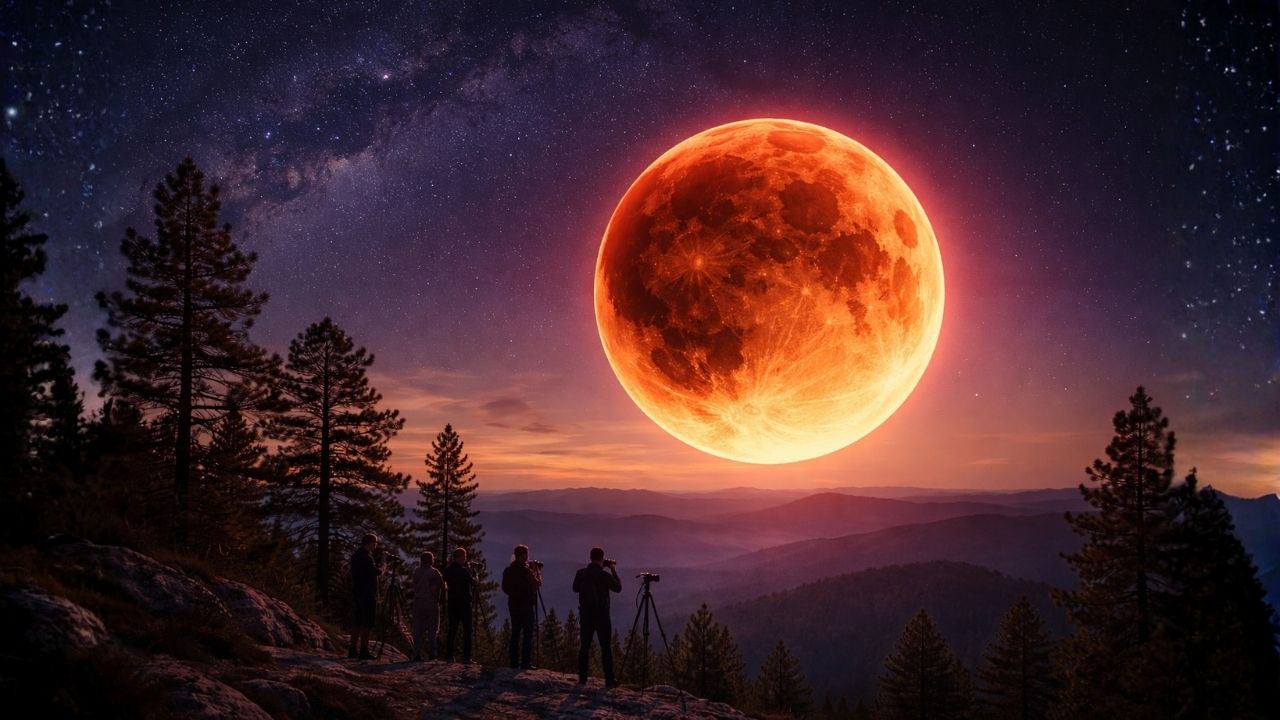
The “blood moon” is actually a total lunar eclipse. This happens when the Earth moves directly between the sun and the moon, casting a shadow over the lunar surface.
Latest Stories
 Scientists Are Tracking a Secretive Bird—and What They Find Could Change Conservation
As the shadow deepens, the moon doesn’t disappear completely. Instead, it takes on a reddish or copper tone, creating the dramatic effect people call a blood moon.
This transformation unfolds gradually, making it a slow and mesmerizing event to watch from start to finish.
Why the Moon Turns Red
The color change isn’t random—it’s all about how light behaves.
Latest Stories
 Why Gulf Cities Are Importing Millions of Trees Every Year
When sunlight passes through Earth’s atmosphere, shorter wavelengths (like blue light) scatter, while longer wavelengths (red and orange) bend and reach the moon. That filtered light is what gives the moon its red glow.
It’s the same reason sunsets appear orange or red—just happening on a much larger, cosmic scale.
When and Where You Can See It
The blood moon will be visible across multiple regions, depending on timing and weather conditions. The best views usually happen where the eclipse occurs during nighttime hours.

If skies are clear, people in the Americas, Europe, Africa, and parts of Asia should be able to witness at least part of the event. Checking local timing is important, as the exact viewing window varies by location.
What to Expect During the Eclipse
The event doesn’t happen all at once. It moves through several stages, starting with a subtle dimming before the moon is fully covered by Earth’s shadow.
At its peak, the moon appears darkest and most vividly red. After that, it slowly returns to its normal brightness.
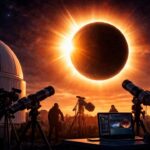
This gradual change is part of what makes the experience so engaging—it’s not just a moment, but a process.
How to Watch It Clearly
One of the best things about a lunar eclipse is how easy it is to view. You don’t need special equipment—just a clear sky and a good vantage point.
For a better experience, try to get away from city lights. Binoculars or a telescope can enhance the view, but even the naked eye is enough to enjoy the spectacle. If you’re planning to take photos, a tripod and zoom lens can help capture sharper images.

Why This Event Matters
Beyond its beauty, a blood moon is a reminder of how precisely our solar system works. The alignment required for a total lunar eclipse is exact—and seeing it unfold makes that reality feel tangible.
It also brings people together. Events like this often turn into shared experiences, whether you’re watching alone, with family, or alongside others online. For a brief moment, attention shifts upward—and that’s part of its appeal.
What Could Happen Next
Astronomical events like this continue throughout the year, but each one offers something slightly different. Some eclipses are partial, others total, and visibility always changes.

As interest in space grows, more people are paying attention to these events—and planning ahead to catch them. This blood moon may be just one night, but it’s part of a bigger story happening in the sky.
Why You Shouldn’t Miss It
There are plenty of things competing for attention every day. But events like this are rare enough to pause for.
The moon turning red, even briefly, is a reminder of how much is happening beyond our everyday view. And sometimes, all it takes is looking up to see something extraordinary.

Frequently Asked Questions
1. What is a blood moon?
It’s a total lunar eclipse where the moon appears red due to Earth’s shadow and atmospheric light filtering.
2. Is it safe to look at a blood moon?
Yes, unlike a solar eclipse, it’s completely safe to view with the naked eye.
3. How long does a blood moon last?
The full eclipse phase can last around an hour, but the entire event takes several hours.

4. Do I need special equipment to watch it?
No, but binoculars or a telescope can enhance the view.
5. Why does the moon look red instead of disappearing?
Because Earth’s atmosphere bends red light onto the moon’s surface.
6. How often do blood moons occur?
They happen a few times every couple of years, depending on lunar cycles.

7. What’s the best way to prepare for viewing?
Find a dark location, check local timings, and hope for clear skies.