The salon was filled with the familiar mix of warm air, soft chatter, and the hum of hairdryers. I sat back in the chair, relaxed, as water ran through my hair. Everything felt routine—until the hairdresser suddenly paused.
“You wash your hair too fast,” she said casually.
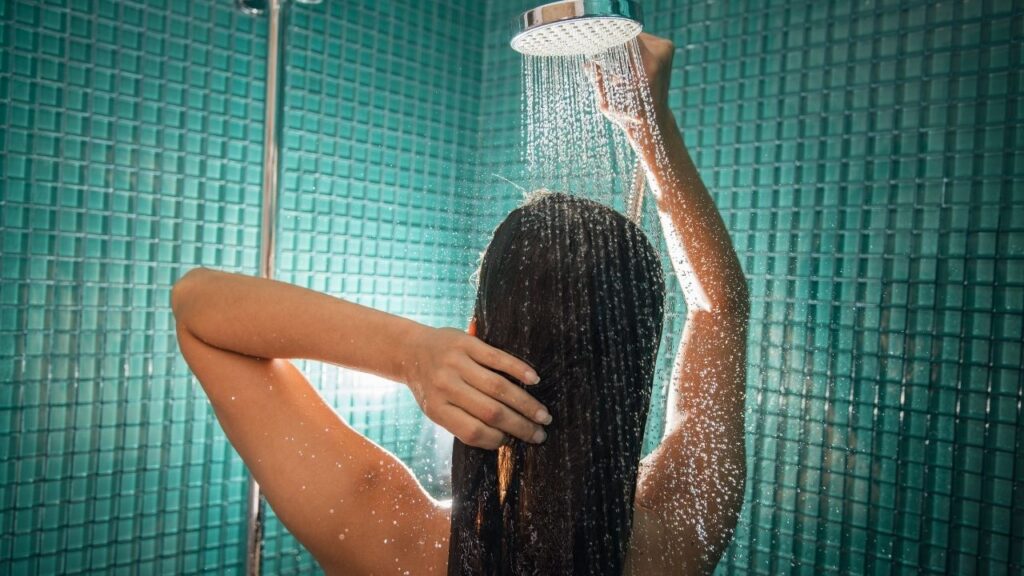
At first, it sounded almost funny. Washing hair seems simple, right? Wet it, shampoo, rinse—done. But as she continued, it became clear that something so basic is often done completely wrong.
Latest Stories

 Scientists Capture 8 Incredible Images of Interstellar Comet Passing Through Our Solar System
By the time I left the salon, I realized something surprising: most of us have been washing our hair incorrectly for years—and it’s quietly causing many of the problems we complain about.
What Hairdressers Notice That You Don’t
The hairdresser, Elena, has over 15 years of experience. She doesn’t just cut hair—she reads it.
According to her, your hair tells a story. From greasy roots to dry ends, from scalp irritation to lack of shine—she can often tell exactly how you wash your hair before you even say a word.

“People think it’s about shampoo,” she explained. “But it’s really about how you wash, not what you use.”
This is where most people go wrong. They focus on buying better products but ignore the most important part—the technique.
The Mistakes Almost Everyone Makes
Think about your usual shower routine. Chances are, you’re making at least a few of these common mistakes:

- Using very hot water
- Applying shampoo before hair is fully wet
- Scrubbing aggressively with nails
- Only washing the top of the head
- Pulling shampoo through the ends unnecessarily
- Rinsing too quickly
- Applying conditioner to the scalp instead of the ends
“These habits confuse your scalp,” Elena said. “That’s why people deal with oily roots, dry ends, or itchiness.”
The biggest misunderstanding?
Shampoo is for the scalp. Conditioner is for the hair.
How You Should Actually Wash Your Hair
The right method isn’t complicated—but it requires more attention and patience.
Latest Stories
 Meteorologists warn overnight snowfall could reach historic levels, as officials discourage travel
1. Start With the Right Water Temperature
Avoid very hot water. Use lukewarm water instead.
Hot water strips natural oils and makes your scalp overproduce oil, leading to greasy roots.
2. Wet Your Hair Properly First
Most people rush this step. Spend 30–60 seconds fully soaking your hair. Make sure water reaches the roots, especially at the back and near the neck. Properly wet hair helps shampoo spread evenly and work effectively.
3. Use Less Shampoo—But Use It Correctly
You don’t need a large amount.

Take a small coin-sized amount, rub it between your hands with a little water, and apply it only to the scalp.
This step is key:
Don’t dump shampoo directly on your head. Prepare it first.
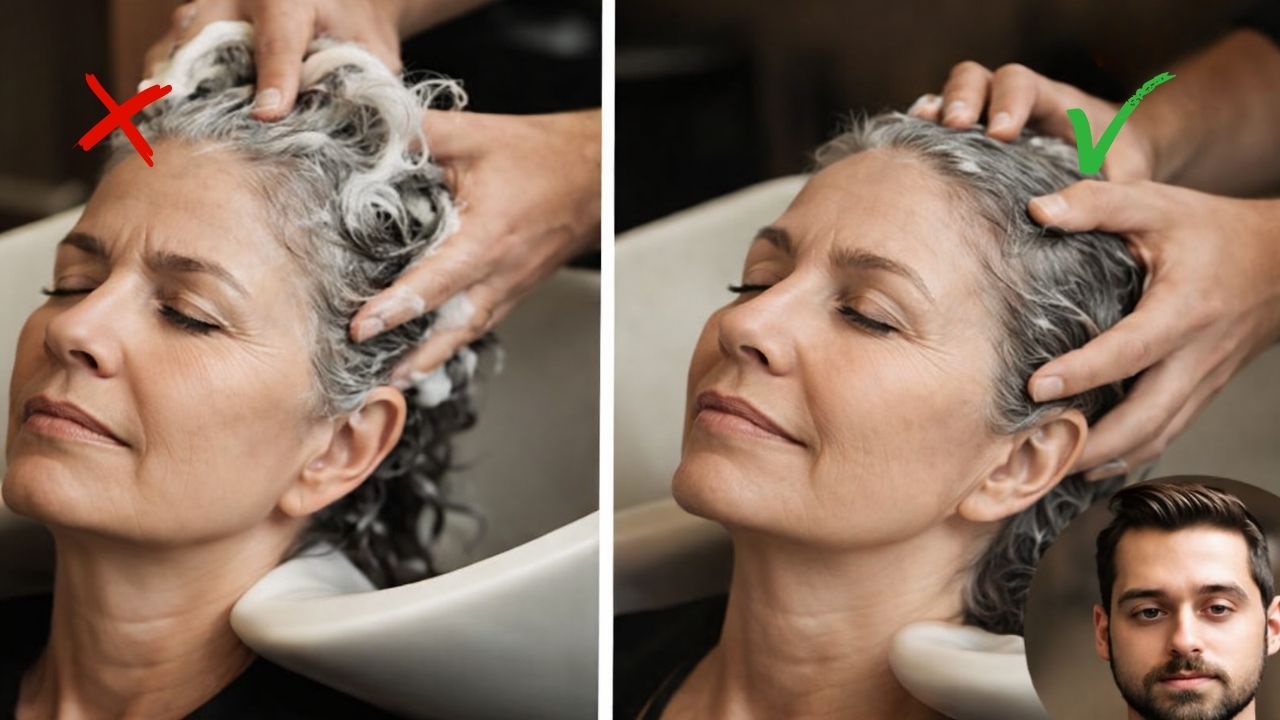
4. Massage, Don’t Scrub
Instead of scratching your scalp, use your fingertips.

- Move in small circular motions
- Cover all areas: front, sides, back
- Spend at least 1–2 minutes
This improves blood flow and cleans the scalp gently without irritation.
5. Let the Foam Clean the Ends
You don’t need to rub shampoo into your hair lengths. When you rinse, the foam naturally flows through and cleans the ends without drying them out.
6. Rinse Longer Than You Think
This is one of the most important steps. Rinse for at least 60–90 seconds, making sure no shampoo is left behind. Residue can cause itchiness, dullness, and flat roots.

7. Apply Conditioner Only Where Needed
Conditioner should never go on the scalp.
- Apply it to mid-lengths and ends only
- Let it sit for 2–3 minutes
- Then rinse thoroughly
This helps repair dryness without making roots greasy.
How Often Should You Wash Your Hair?
There is no one-size-fits-all answer. It depends on your scalp and lifestyle.
Latest Stories
 A Mysterious Object From Another Star Is Racing Through Our Solar System—And Scientists Are Stunned
Here’s a simple guide:
- Oily scalp: Every day or every other day
- Normal hair: Every 2–3 days
- Dry or sensitive scalp: Every 3–4 days
- Curly or thick hair: Once a week or less
“The best guide is your scalp,” Elena said. “If it feels uncomfortable, adjust your routine.”
Small Changes That Make a Big Difference
You don’t need expensive products or complicated routines. Just a few small changes can improve your hair significantly:
Latest Stories
 2026 Toyota Corolla Pickup: The Compact Truck That Could Change Urban Driving Forever
- Detangle before washing to reduce breakage
- Use a gentle towel or cotton cloth instead of rough drying
- Avoid brushing wet hair aggressively
- Slow down your routine and be more mindful
These small habits can lead to healthier hair, better texture, and longer-lasting freshness.
Why Your Scalp Matters More Than You Think
Most people focus on how their hair looks—but ignore where it begins. Your scalp is skin. If it’s not healthy, your hair won’t be either. “Healthy hair starts at the scalp,” Elena explained. “Fix that, and most problems disappear.” This simple shift in thinking can completely change your hair care routine.
A Small Routine That Feels Like Self-Care
What surprised me most wasn’t just the technique—it was the feeling. Slowing down, using cooler water, massaging gently—it turned a quick routine into something calming.

It only took a few extra minutes. But those minutes felt different—more intentional, more mindful. And the result? Hair that felt lighter, cleaner, and healthier.