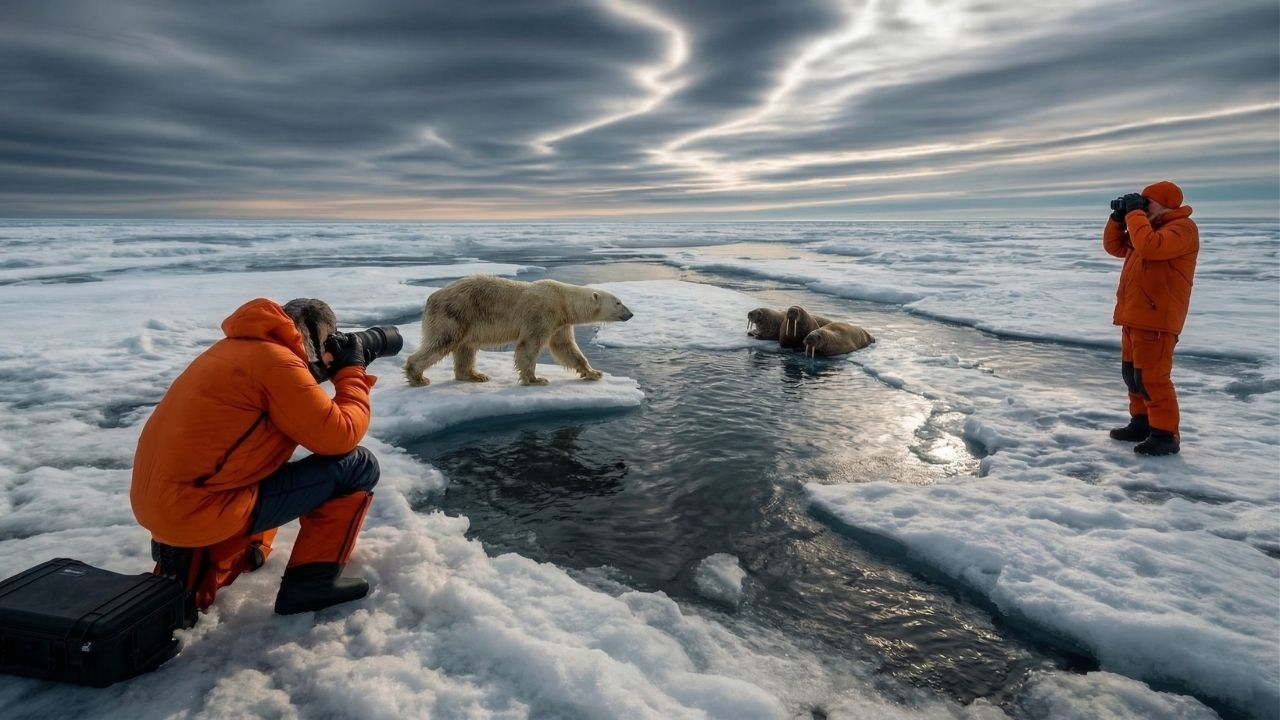
The Arctic has always been a place of extremes—vast, frozen, and largely untouched by human activity. It plays a crucial role in shaping the world’s climate, even though it feels distant from everyday life. But this winter, something unusual is happening. Meteorologists are warning about a potential Arctic outbreak that could push temperatures to dangerously low levels not seen in decades.
This is not just another cold spell. Scientists and weather experts are closely monitoring the situation, as such an event could have serious global consequences. From energy systems and transportation to public safety and daily life, the impact of this cold wave could be widespread.
As cold air begins to build in the Arctic, the world is watching carefully. The big question remains: Is this just a short-term weather event, or a sign of deeper changes in our climate system?
Latest Stories

 Scientists Capture 8 Incredible Images of Interstellar Comet Passing Through Our Solar System
The Arctic: The Hidden Driver of Global Weather
The Arctic is often described as the “engine of Earth’s climate system.” Although it may seem remote, it plays a major role in controlling weather patterns across the Northern Hemisphere.
At the center of this system is the jet stream, a fast-moving current of air that circles the North Pole. This powerful wind system acts like a guide, steering storms and influencing temperatures across continents.
However, scientists have observed that the Arctic is warming faster than the rest of the planet. This rapid warming is making the jet stream weaker and more unstable. When the jet stream becomes unstable, it can dip or shift, allowing extremely cold Arctic air to move southward into regions that are not used to such conditions.

This instability is one of the key reasons behind the current concern about a possible Arctic outbreak.
When the Arctic Loses Its Balance
The Arctic has always experienced extreme weather, but recent changes have made these events more unpredictable. In early February, meteorologists noticed a sudden shift in atmospheric conditions.
A high-pressure system formed over the Arctic, disrupting the normal flow of air. This phenomenon is known as a “blocking pattern.” When this happens, cold air gets trapped in the Arctic and can later spill out into other parts of the world.

These blocking patterns can last for days or even weeks. In the past, they have caused heavy snowfall in Europe and severe cold waves in North America.
This time, the situation appears more intense. Some forecasts suggest that Arctic temperatures could drop up to 50°F (28°C) below normal, increasing the risk of a major cold outbreak.
Warning Signs in the Data
Meteorologists rely on several key indicators to understand what’s happening in the Arctic. One of the most important is the Arctic Oscillation (AO).
Latest Stories
 Meteorologists warn overnight snowfall could reach historic levels, as officials discourage travel
- When the AO is positive, cold air stays trapped in the Arctic.
- When the AO turns negative, cold air can escape and move south.
Currently, the Arctic Oscillation is in a strongly negative phase, which increases the likelihood of a cold air outbreak.
Other warning signs include:
- Low sea ice levels in the Arctic, which reduce stability in the atmosphere
- High snow cover in Eurasia, which can influence weather patterns
- Increasing irregularities in atmospheric circulation
Together, these factors suggest that the Arctic is in a high-risk state for extreme weather events.

The Cold You Feel—and the Hidden Risks
When an Arctic outbreak occurs, the most obvious effect is the intense cold. Temperatures can drop rapidly, and strong winds can create dangerous wind chills.
But the real danger goes beyond discomfort.
Such extreme cold can:

- Overload power grids due to increased heating demand
- Disrupt transport systems, including roads, railways, and flights
- Damage agriculture and crops
- Put pressure on healthcare systems
In severe cases, it can even threaten lives, especially for vulnerable groups like the elderly or those without proper heating.
What makes it more concerning is that these effects can spread far beyond the Arctic region, impacting economies and communities across continents.
Preparing for the Impact
As the risk of an Arctic outbreak grows, governments and communities are taking steps to prepare.
Emergency teams are:
- Stocking up on essential supplies
- Strengthening response systems
- Checking infrastructure readiness
For individuals, preparation is equally important. Experts advise:
- Keep essential supplies ready
- Avoid unnecessary travel during extreme conditions
- Dress in layers to protect against cold
- Stay updated with official weather alerts
Preparedness can make a significant difference in reducing risks during such events.

Climate Change and the Arctic Connection
One of the biggest questions is whether these events are linked to climate change. While no single weather event can be directly blamed on climate change, scientists agree that long-term warming trends are affecting the Arctic.
As the Arctic warms:
- Ice melts faster
- Ocean temperatures rise
- Atmospheric patterns become unstable
This instability increases the chances of extreme weather events, including Arctic outbreaks.
Latest Stories
 A Mysterious Object From Another Star Is Racing Through Our Solar System—And Scientists Are Stunned
Many experts describe the Arctic as a “warning signal” for the rest of the planet. Changes happening there often reflect larger shifts in the global climate system.
What Experts Are Saying
Climate scientists around the world are urging caution and awareness.
They emphasize that this is not just about one cold wave—it’s about a larger pattern of change. The increasing unpredictability of weather systems suggests that such events may become more frequent in the future.
Latest Stories
 2026 Toyota Corolla Pickup: The Compact Truck That Could Change Urban Driving Forever
Experts also highlight the need for:
- Better climate research
- Stronger infrastructure resilience
- Long-term environmental policies
A Global Wake-Up Call
The potential Arctic outbreak is more than just a weather story. It is a reminder of how connected our planet truly is. What happens in the Arctic does not stay there—it can influence weather, economies, and lives across the globe.
This situation highlights the importance of understanding our climate system and preparing for its changes. Whether this outbreak becomes severe or not, it serves as a wake-up call for governments, scientists, and individuals alike.

Looking Ahead: Uncertainty and Responsibility
As the world waits to see how the situation unfolds, one thing is clear: the Arctic is changing, and those changes matter. The decisions we make today—about energy, environment, and policy—will shape how we handle such events in the future.
The Arctic may be far away, but its impact is close to home. And as this story develops, it reminds us that nature’s balance is delicate—and our role in protecting it has never been more important.